Israel-Iran LIVE: Tensions Escalate Over Strait of Hormuz as Talks Continue
The Israel-Iran LIVE developments continue to dominate global attention as tensions intensify around the strategically critical Strait of Hormuz. Iran has firmly stated it will not reopen the vital shipping route as long as a U.S. naval blockade remains in place, raising concerns over global energy supplies and regional stability.
The ongoing Israel-Iran LIVE situation comes amid fragile ceasefire conditions and renewed diplomatic efforts involving multiple countries. While the United States has extended the ceasefire deadline to allow further negotiations, developments on the ground suggest that the path to de-escalation remains uncertain.
Strait of Hormuz Standoff Deepens Crisis
At the centre of the Israel-Iran LIVE crisis is the Strait of Hormuz, a crucial oil transit chokepoint through which nearly a fifth of the world’s petroleum supply passes. Iran’s refusal to reopen the route has significantly disrupted global crude shipments.
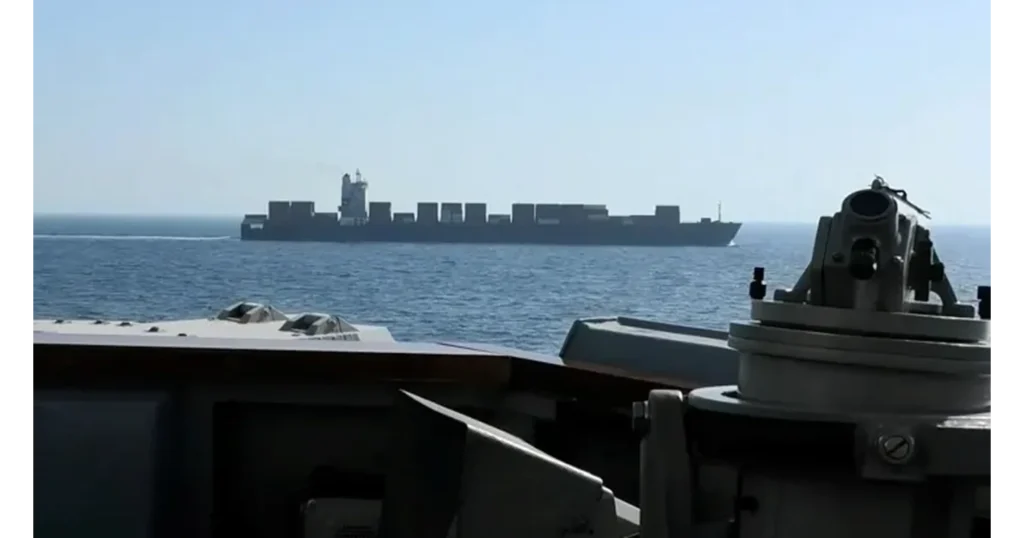
Iranian authorities have maintained that the blockade imposed by the United States is the primary reason behind the closure. The situation escalated further after Iran’s paramilitary forces reportedly targeted multiple vessels in the region. State media confirmed that at least two ships had been seized, while a third was attacked recently.
The Israel-Iran LIVE updates also indicate that despite the blockade, Iranian crude exports have continued through alternative and discreet shipping methods. Data analytics firm Vortexa reported that several shipments managed to pass through restricted zones, highlighting the complexity of enforcing maritime restrictions in the region.
Global markets have responded sharply to these disruptions. Oil prices remain volatile, and supply chains across Asia have been affected due to reduced crude availability. Analysts warn that prolonged instability in the Strait of Hormuz could trigger a broader energy crisis.
Diplomatic Efforts Gain Momentum
Amid rising tensions, diplomatic efforts are underway to stabilise the Israel-Iran LIVE situation. Pakistan has emerged as a key mediator, facilitating talks between the United States and Iran for a potential second round of negotiations.
Senior officials, including JD Vance and Ishaq Dar, have been involved in discussions aimed at reducing hostilities. These talks follow an earlier round held in Islamabad, where both sides explored pathways to de-escalation.
U.S. President Donald Trump announced an indefinite extension of the ceasefire, a move intended to provide more time for negotiations. Iran has cautiously welcomed Pakistan’s mediation efforts but has not publicly endorsed the ceasefire extension.
The Israel-Iran LIVE developments also include parallel diplomatic engagements involving Israel and Lebanon. Officials from both sides are holding discussions in Washington, with Lebanon expected to seek an extension of its ceasefire agreement.
These overlapping negotiations underline the complexity of the regional conflict, where multiple actors are engaged in separate yet interconnected diplomatic tracks.
Economic Impact and Regional Uncertainty
The economic implications of the Israel-Iran LIVE crisis are becoming increasingly evident, particularly in Asia. The region, which relies heavily on crude imports from West Asia, is witnessing a sharp decline in refining activity.
Industry data suggests that crude imports into Asia could fall significantly this month, marking the lowest levels in nearly a decade. Refiners are adjusting operations due to limited access to heavier crude, resulting in reduced output of key fuels such as diesel and jet fuel.
The Israel-Iran LIVE updates indicate that refining cuts could exceed one million barrels per day, tightening fuel supply and keeping prices elevated. This has raised concerns among policymakers and businesses about potential inflationary pressures and economic slowdown.
Despite these challenges, some refiners are turning to alternative sources, including sanctioned oil shipments, often at higher costs. However, these measures are unlikely to fully offset the supply gap caused by disruptions in the Strait of Hormuz.
Uncertain Road Ahead
As the Israel-Iran LIVE situation continues to evolve, the focus remains on whether diplomatic efforts can yield tangible results. While ceasefire extensions and negotiations offer a window for dialogue, ongoing military actions and maritime tensions present significant obstacles.
The coming days will be crucial in determining whether the region moves towards stability or further escalation. For now, global stakeholders are closely monitoring developments, given the far-reaching implications for energy security and international trade.
The Israel-Iran LIVE crisis underscores the delicate balance between geopolitical strategy and economic stability, with outcomes likely to shape the global landscape in the months ahead.