House Panel Chair Seeks Zuckerberg’s Apology Over Temporary Removal of PM Modi’s Facebook Video
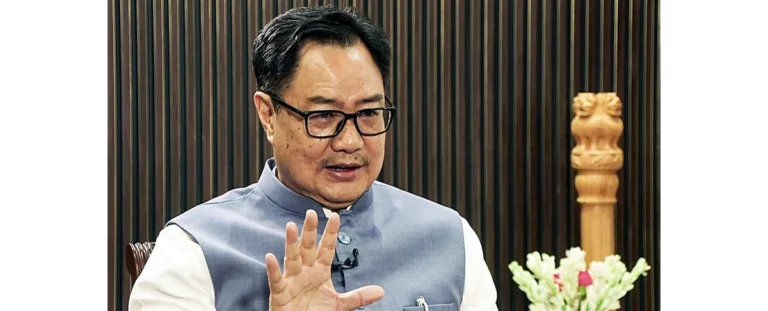
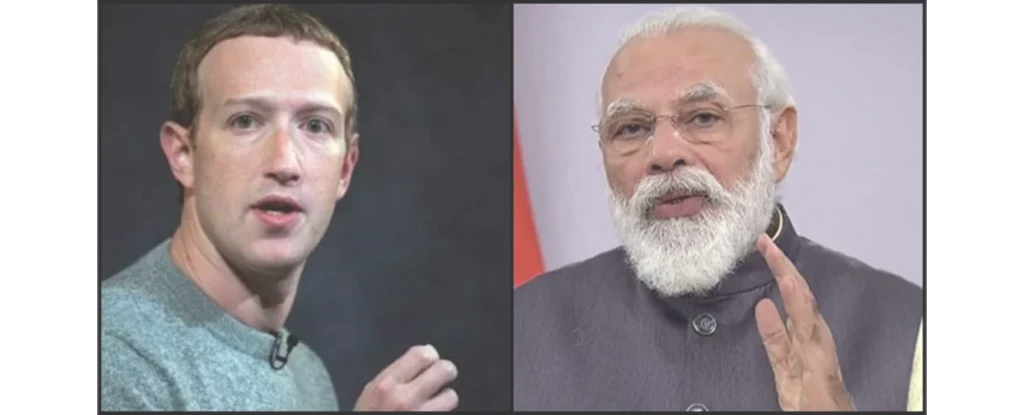
The chairperson of Parliament’s Standing Committee on Communications and Information Technology has reportedly asked Meta CEO Mark Zuckerberg to issue a personal apology within three days after a Facebook video featuring Prime Minister Narendra Modi was briefly removed from the platform.
The video, in which the Prime Minister addressed students on examination-related concerns and measures to tackle paper leaks, was later restored after Meta said its removal was the result of a technical error. The incident has sparked fresh debate over the accountability of global technology companies and the way they moderate content of public importance in India.
Panel Seeks Clarification Over Content Removal
The controversy began when the Prime Minister’s video was temporarily taken down from Facebook, prompting questions over the platform’s content moderation process.
Media reports indicate that the chairperson of the parliamentary committee has sought a personal apology from Mark Zuckerberg and asked Meta to explain how the error occurred. The panel is also understood to have recommended that the government consider reviewing the company’s intermediary, or “safe harbour,” protections if its concerns are not addressed.
No official government notification has been issued regarding any regulatory action against Meta, and the committee’s recommendation should not be viewed as a final decision.
Meta Says Video Was Removed Due to Technical Error
Meta has said the video was mistakenly removed because of a technical error and that it was restored shortly after the issue was identified.
The explanation has provided additional context to the incident, although lawmakers have continued to seek greater transparency about the platform’s moderation systems and the safeguards in place to prevent similar errors in the future.
The episode has renewed discussion about the role of automated moderation tools and the importance of ensuring that content relating to elected representatives and public institutions is handled with appropriate oversight.
Safe Harbour Protection Comes Into Focus
The committee’s recommendation has also brought attention to the concept of “safe harbour” protection under Section 79 of the Information Technology Act.
These provisions provide legal protection to intermediary platforms for third-party content, provided they comply with Indian laws and prescribed due diligence requirements. Reports suggest the committee has recommended that the government examine whether these protections should continue if Meta fails to provide a satisfactory explanation.
However, there has been no official announcement indicating that the government has initiated any process to suspend or withdraw Meta’s intermediary protections. Any such decision would require further regulatory consideration.
Wider Debate on Digital Platform Accountability
The incident has added momentum to the ongoing discussion about the responsibilities of global social media companies operating in India.
In recent years, policymakers have increasingly focused on issues such as content moderation, algorithmic transparency, user grievance mechanisms, and compliance with India’s digital laws. The latest episode has once again highlighted the challenges platforms face in balancing automated moderation systems with the need to ensure that content of public significance is not removed in error.
For now, Meta maintains that the video’s removal resulted from a technical error and that it was restored promptly. Any further response from the company, along with any action taken by the parliamentary committee or the government, is expected to shape future discussions on intermediary responsibility and digital platform regulation in India.